
Perhaps like me you are beginning to get impatient or bored with the current state of things in our nation. A little stir crazy? We must remember that, like everything in this world, “this too shall pass.” Soon the crisis will be over.
The great question is not: “Will the crisis every pass?” but, rather, “What will God’s people do when the crisis has passed?” This could be – should be – a new beginning for the work of God in this world. Remember that it was after the breaking up of the early church in Jerusalem that the greatest gospel advance in the history of the church took place! O, Lord, cause that to be the case in our generation!
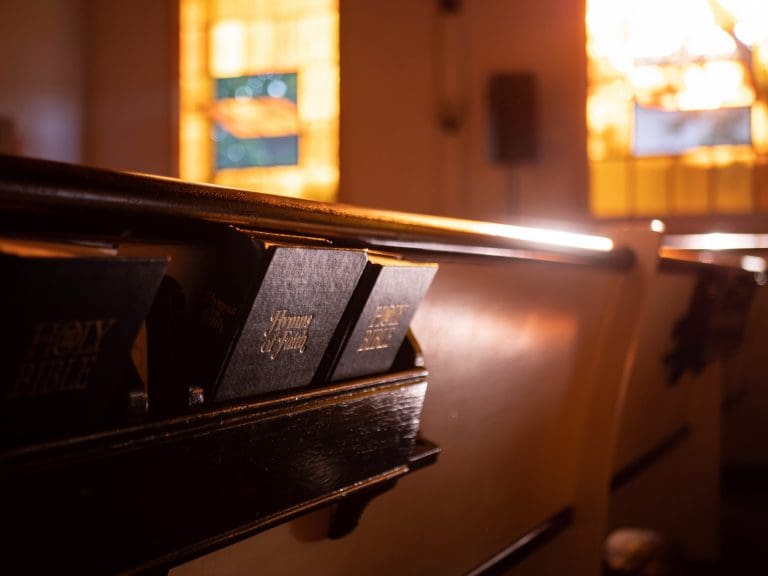
Some churches are beginning to gather and many more will over the coming weeks. Encourage your pastor and be a blessing to fellow church members. Use this opportunity to invite others who need Christ or a home church to visit with you.
Here are 3 things you can do when this crisis has passed that will help you and your congregation to move forward:
- When the crisis has passed, don’t stay home. The word church means “called out assembly.” By its very definition we were made to be together! Online services and drive-in meetings can provide music, preaching, and teaching, but the one thing they cannot adequately provide is fellowship. The internet is a good entry point for some in the community and an encouragement to many who cannot get out, but it is no substitute for interaction with family. Don’t miss the family reunion when your church begins to gather again! You can watch an online service in your living room but you cannot exhort others while you are alone. According to Hebrews 10:24-25, we do not meet simply to listen, we meet to minister to one another. (Obviously in the current COVID-19 crisis those who are at risk or ill should not be in crowds of people. Even those who gather should follow common sense directives. There may be a slow return for some, but there should be a return.)
- When the crisis has passed, don’t change churches. Many of us have enjoyed watching other church’s meetings during this season. While I am grateful that I can be fed and encouraged in many places, it is important to remember that I belong to a family. Your church family needs you now. Sometimes in a parenthesis, an “in-between” period, people fall through the cracks. Don’t let that be you. Look out for others too! It is time for local churches to rally and move forward together.
- When the crisis has passed, don’t be the same church member. We are all looking forward to walking back in to our normal meeting places and assembling with our church families. But when you return, make up your mind that you will not go back the way you left! Determine now to be a more grateful person, a more faithful Christian, a more sincere worshipper, a more earnest student of Scripture, a more encouraging church member, and a more fervent prayer partner.
These weeks have, in many ways, been a purging time for the church. Crisis times reveal character. God can also use them to change us. Though there may be some who stray from the Lord and His church in this season, there should be a purifying in all true followers of Christ.
Homes should be closer. Churches should be stronger. Our lives should be more like Jesus.
When things go back to “normal” (whatever that means!), what should not go back to normal in your life?
The current crisis is not the end, but it should be the end of some things in our lives. I leave you with these inspired words, given to another group of believers who had been displaced and disoriented:
“But the God of all grace, who hath called us unto his eternal glory by Christ Jesus, after that ye have suffered a while, make you perfect, stablish, strengthen, settle you” (1 Peter 5:10).
Discover more from Enjoying the Journey
Subscribe to get the latest posts sent to your email.