
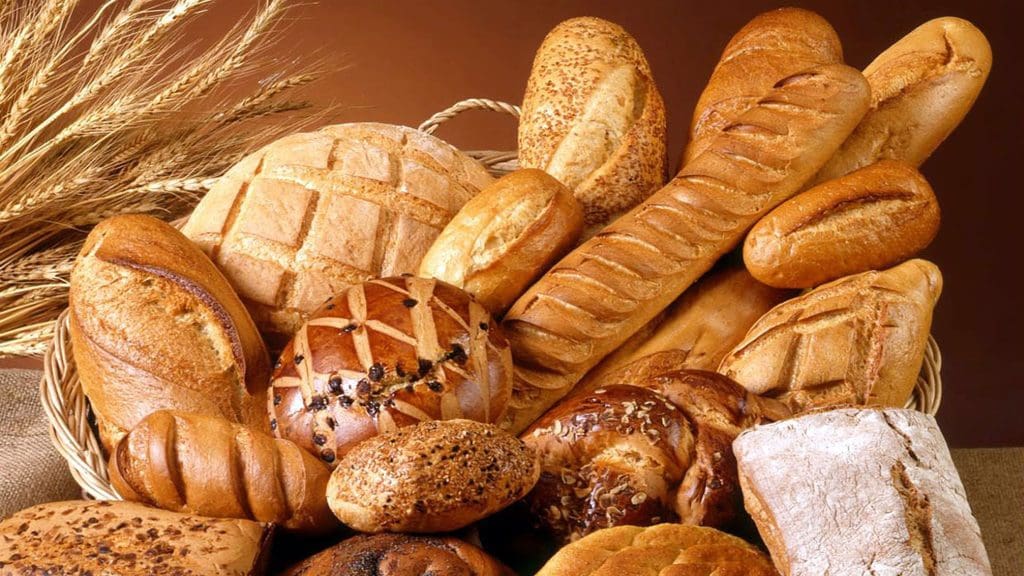
A Parable for Preachers
Christ, the Master Teacher, very often used stories to help His disciples see what He was saying. Recently I came across the following story and thought it was a tremendous illustration of the spiritual sustenance people desperately need and often lack. Hearers do not need us to talk about the Bible – they need the Bible! (10 Tips for Itenerant Preachers)
“Behold, the days come, saith the Lord God, that I will send a famine in the land, not a famine of bread, nor a thirst for water, but of hearing the words of the Lord” (Amos 8:11). Our words can never satisfy, but His Word always does. If the Scripture is truly all-sufficient, then we are to have one message: “Thus saith the Lord…”
Starving souls do not crave mere descriptions, data, and debate. They long for the truth of the Word of God. If you want to lead the sheep, feed the sheep! Sheep will follow a shepherd that nourishes them and meets their needs. Only the bread of the Word of God is sufficient to satisfy hungry hearts. (Meet the Sheep)

THE BEGGAR AND THE BREAD
by an unknown authorA beggar came and sat before me. “I want bread,” he said.
“How wise you are,” I assured him. “Bread is what you need. And you have come to the right bakery.” So I pulled my cookbook down from my shelf and began to tell him all I knew about bread.
I spoke of flour and wheat, of grain and barley. My knowledge impressed even me as I cited the measurements and recipe. When I looked up, I was surprised to see he wasn’t smiling. “I just want bread,” he said.
“How wise you are.” I applauded his choice. “Follow me, and I’ll show you our bakery.” Down the hallowed halls I guided him, pausing to point out the rooms where the dough is prepared and the ovens where the bread is baked. “No one has such facilities. We have bread for every need. But here is the best part,” I proclaimed as I pushed open two swinging doors. “This is our room of inspiration.” I knew he was moved as we stepped into the auditorium full of stained-glass windows.
The beggar didn’t speak. I understood his silence. With my arm around his shoulder, I whispered, “It overwhelms me as well.” I then leaped to the podium and struck my favorite pose behind the lectern. “People come from miles to hear me speak. Once a week my workers gather, and I read to them the recipe from the cookbook of life.”
By now the beggar had taken a seat on the front row. I knew what he wanted. “Would you like to hear me?” “No,” he said, “but I would like some bread.”
“How wise you are,” I replied. And I led him to the front door of the bakery. “What I have to say next is very important,” I told him as we stood outside. “Up and down this street you will find many bakeries. But take heed; they don’t serve the true bread. I know of one who adds two spoons of salt rather than one. I know of another whose oven is three degrees too hot. They may call it bread,” I warned, “but it’s not according to the book.”
The beggar turned and began walking away. “Don’t you want bread?” I asked him. He stopped, looked back at me, and shrugged, “I guess I lost my appetite.”
I shook my head and returned to my office. “What a shame,” I said to myself. “The world just isn’t hungry for true bread anymore.”
Discover more from Enjoying the Journey
Subscribe to get the latest posts sent to your email.


RE “bread” … so very good, and so sadly true!