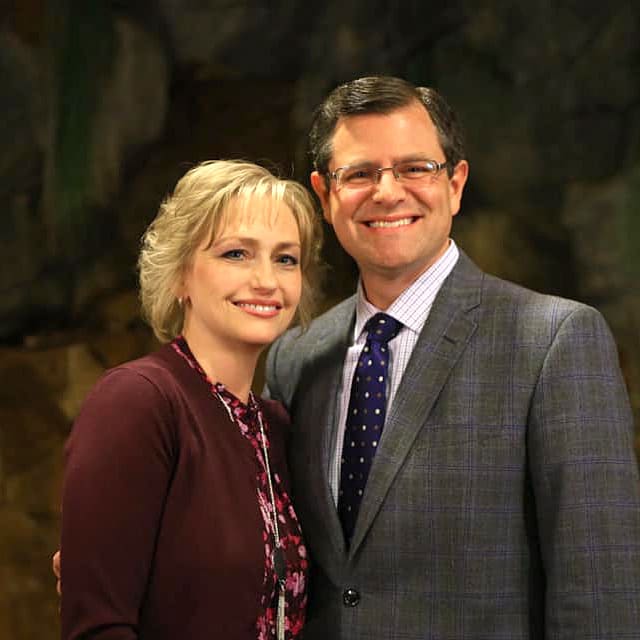

“I will get married in a few months. What advice do you have for me?” Working with hundreds of college students, these are words I have heard many times. As I heard them again recently, my mind filled with so many truths that others have passed on to me and my wife. Too many to remember. Too many to relay in one conversation. But there was one…
One truth that seemed to rise above all of the rest. One lesson that I have had to learn over and over again: families must pray together.
The Family Altar
Isn’t it funny that we seem to do everything – eat, sleep, play, drive, talk – together. Everything, except pray. Yet this is the one thing that makes all of the other things meaningful. Prayer is what brings the home out of the monotony of life and into all the riches of God.
The term “family altar” has all but died in American homes. Perhaps that is why homes are dying. From the earliest examples of the Old Testament patriarchs, altars were built and families were taught to worship God. It is an amazing thing to come into the presence of God together as a family.
An “altar” is not necessarily a physical thing in our day. It is a place where man meets with God. We can do this at the bedside, around the kitchen table, or in the living room. The important thing is the attitude of worship with which we meet.
LISTEN: How to Pray for Your Family
Church altars are used two or three times a week, but family altars can be used every day. Someone has suggested that the greatest Bible institute in the world is a father reading the Bible to his family. And nothing brings unity to a home like prayer.
Practical Guidance for Family Devotions
Through the years, my parents’ example and my pastor’s advice have been of great help to us. I only wish I had been more of a doer than a hearer…
Begin by developing a prayer relationship with your spouse
Pastor Clarence Sexton said for many years that you do not truly know the heart of your husband or wife until you hear them pray. There is power in two people praying together. This is a part of the “oneness” that God intended for marriage. Dad and Mom must set the example. We cannot expect our children to be what we are not willing to be.
Make the family devotions enjoyable
Family devotions do not have to be long, but they must be meaningful. Plan the few minutes you will have together. It should not be haphazard.
Begin by praying with children from the earliest ages. Use brief Bible stories and make them come alive to young children. Sanctified imagination is a good thing! Teach by example that the Word of God is not boring – God’s truth is exciting. As the family grows, use these moments to emphasize age-appropriate things.
Encourage everyone to be involved.
Allow each person to voice their prayer to God. Share prayer requests. Discuss how the Scripture applies to everyday life. Encourage children to ask questions and take time to answer them. Talk about blessings and answers to prayer.
Give the family altar proper priority
Find a time that every family member can participate without being rushed. As much as possible, try to be consistent each day. Turn off all distractions and encourage everyone’s attention to be on the Lord and His Word. Plan to have the devotional time before other lesser things. Make it important because it is!
Plan some variety
As the children get older, allow different members of the family to share a devotional thought. Get acquainted with a missionary family. Learn a hymn together. There are many things that we can accomplish during the family altar time if we allow the Lord to guide us.
Prayer Leads to Revival and Spiritual Awakening
The condition of our churches and the needs of our nation demand a revival in our homes.
Thomas Boston was burdened by the cold spiritual state of his church. It was not only cold, but practically empty. He decided that the way to bring revival to his church and community was to establish the family altar in every home. He went from home to home, leading people to Christ and establishing family altars. After nearly three years, revival fires were burning in his church, and multitudes of rejoicing saints and seeking sinners would crowd the church every Sunday. Richard Baxter followed exactly the same procedure in his spiritually cold parish, with exactly the same results!
Perhaps this is what we have been missing all along. God always meets people who are serious about seeking Him. This lesson is not just for young people approaching marriage. This is for all of us who long to see a spiritual awakening begin in our land. May God begin it in our homes.
*Be sure to visit our special “Marriage and Family” page HERE. Click HERE for several Bible teaching resources for children.
(Scott’s first book, Revival Praying, is now in its fifth printing. This study of Ezra’s revival prayer provides a Bible pattern for our prayers in times like these. Learn more about all of the Revival Praying resources available for individual, family, and group study at revivalpraying.com.)
Discover more from Enjoying the Journey
Subscribe to get the latest posts sent to your email.
Post Author
More from similar topics
Bible | Family | Family devotions | Home | Marriage | Prayer | children | family altar | revival | worship