
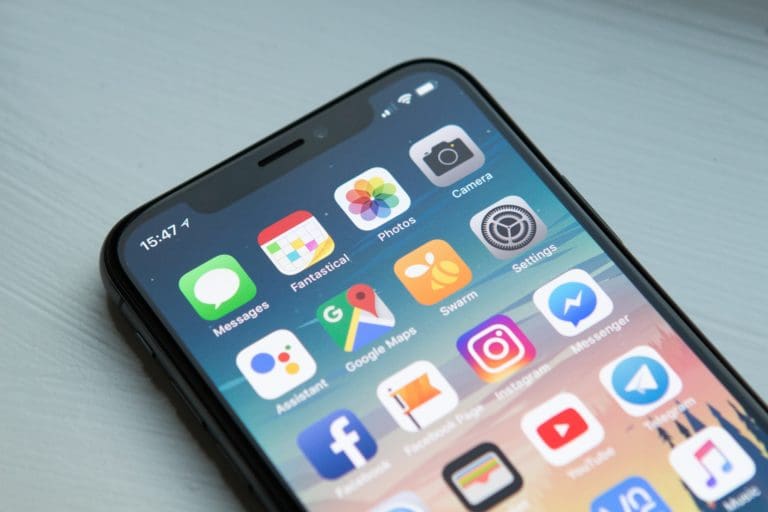
Mobile devices and on-demand media have changed our world forever. More specifically, they have changed our families and our lives. Homes no longer revolve around a big screen in the living room, but around little screens in our hand.
That is a greater danger now than ever. As we spend less time with people there is a tendency to spend more time engaged with technology. Perhaps you have noticed your “screen time” is up a little lately.
Here are a few practical ideas for controlling your technology and your time:
- Refuse to reach for your device first in the morning. Speak to God and others before you allow your thoughts to be consumed by online interactions and information.
- Turn your notifications off. You don’t need to know every time someone likes a post or comments on a picture. You may need to remove social media from your phone completely to get control of what has been controlling you, but at the least you can stop letting it tell you when to look! Check it at specific times and not every time you think of it.
- Leave your mobile device in the other room when you have your devotional time. Sometimes I use the Bible app on my phone, but I have learned that it is best not to look at my device if possible while I am reading my Bible. There are too many distractions and too great a temptation to look at other things.
- No phones at the family table. During family meals ask everyone to put their phones in another place. Then we actually have to talk to each other! Sometimes we are too accessible. Everything is not an emergency.
- Don’t go to bed with technology. Doctors now say that the use of media before bed interrupts sleep cycles. The greater danger is that our minds can get filled with things that are not best to think on through the night. Fear, conflict, and impurity are not a good way to end the day!
- Set daily limits for yourself. The most difficult discipline is self-discipline. Set limits on your phone if necessary. Keep up with how much time you are on each app. You may be surprised how many hours are being spent every day.
- Learn to enjoy simple things. Sometimes the best way to restrict one activity is to replace it with something more profitable. Take a walk. Play a family game. Read a book. I know it’s old fashioned but you may be amazed how refreshing life can be without the drain of constant media.
How’s your “screen time”?
Discover more from Enjoying the Journey
Subscribe to get the latest posts sent to your email.





I have loved my time with you at Shining Light. It has been wonderful! I’m looking forward
to more time in Psalm 100 tonight. I am doing this revival on livestream. Gracious, this has
been amazing. Thank you.