Jonah and Peter in Joppa
“And now send men to Joppa, and call for one Simon, whose surname is Peter: He lodgeth with one Simon a tanner, whose house is by the sea side: he shall tell thee what thou oughtest to do.” Acts 10:5-6
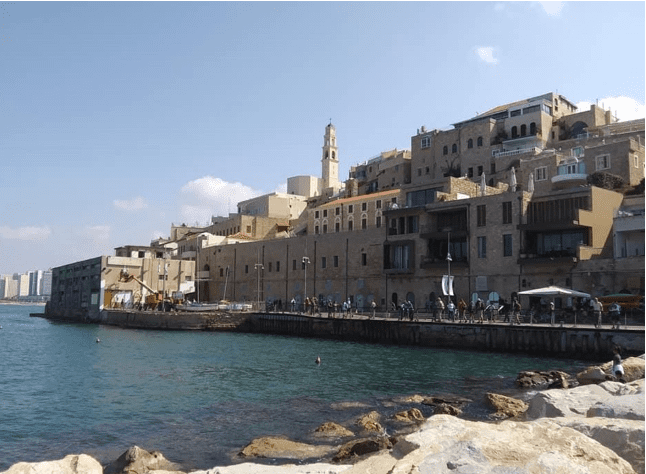
The city of Joppa, known in modern Hebrew as Jaffa, is just a short walk from central Tel Aviv. It was an important port throughout much of the Holy Land’s history, including when Jonah fled there instead of going to Nineveh as God instructed him. Peter spent some time in Joppa by the sea in the house of Simon, a tanner. Here God appeared to him and sent him to preach to the Gentiles.
Peter in Joppa
At first, Peter did not comprehend the meaning of the vision of unclean animals. He was still mulling it over when Roman messengers from the centurion Cornelius arrived and stood respectfully outside the gate of the house. The Holy Spirit told Peter to go with them “doubting nothing, for I have sent them.” Peter quickly obeyed the divine mandate, and in contravention of Jewish law, invited the Gentiles in to stay with him for the night. (Article on Four Motivations for Obedience) The next day he journeyed with them up the coast to Caesarea, where he preached to the household of Cornelius. To the amazement of the Jewish believers who came with Peter, the Gentiles were saved, filled with the Holy Spirit, and baptized.
Jonah in Joppa
In contrast to this, Jonah received a divine commission from God to go to preach to the Gentiles in Nineveh in Assyria, one of Israel’s ancient enemies. (Podcast Episode on Jonah and God) He chose to flee instead of obey, and came down out of the mountains to Joppa on the coast. There he found a ship, and tried to flee from the presence of the LORD. In the well-known story, the ship’s crew tried to figure out who was at fault for the violent storm that threatened their lives.
In his first mention of God to them, Jonah told the Gentile crew that he was a servant of the Creator of the land and sea and to throw him overboard. Apparently he thought that this would at least save the lives of the crew, which it did. Before that, the crew tried as hard as they could to not throw the errant prophet overboard, going so far as to pray for mercy from Jonah’s God. They did not want to be guilty of killing him, despite the danger he had brought them, and the loss of their merchandise. However, eventually they bowed to God’s power and dumped Jonah into the sea. The resulting calm caused them to fear the LORD, offer a sacrifice, and make vows.
The city of Joppa presents the believer with a contrast in obedience. Will we be like the Apostle Peter, and obey as soon as God’s will becomes clear to us? Or will we be like Jonah and foolishly try to run from the presence of God? Will we go when He sends us to preach to our enemy, like the Romans of Peter’s day, or the Assyrians of Nineveh in Jonah’s time?
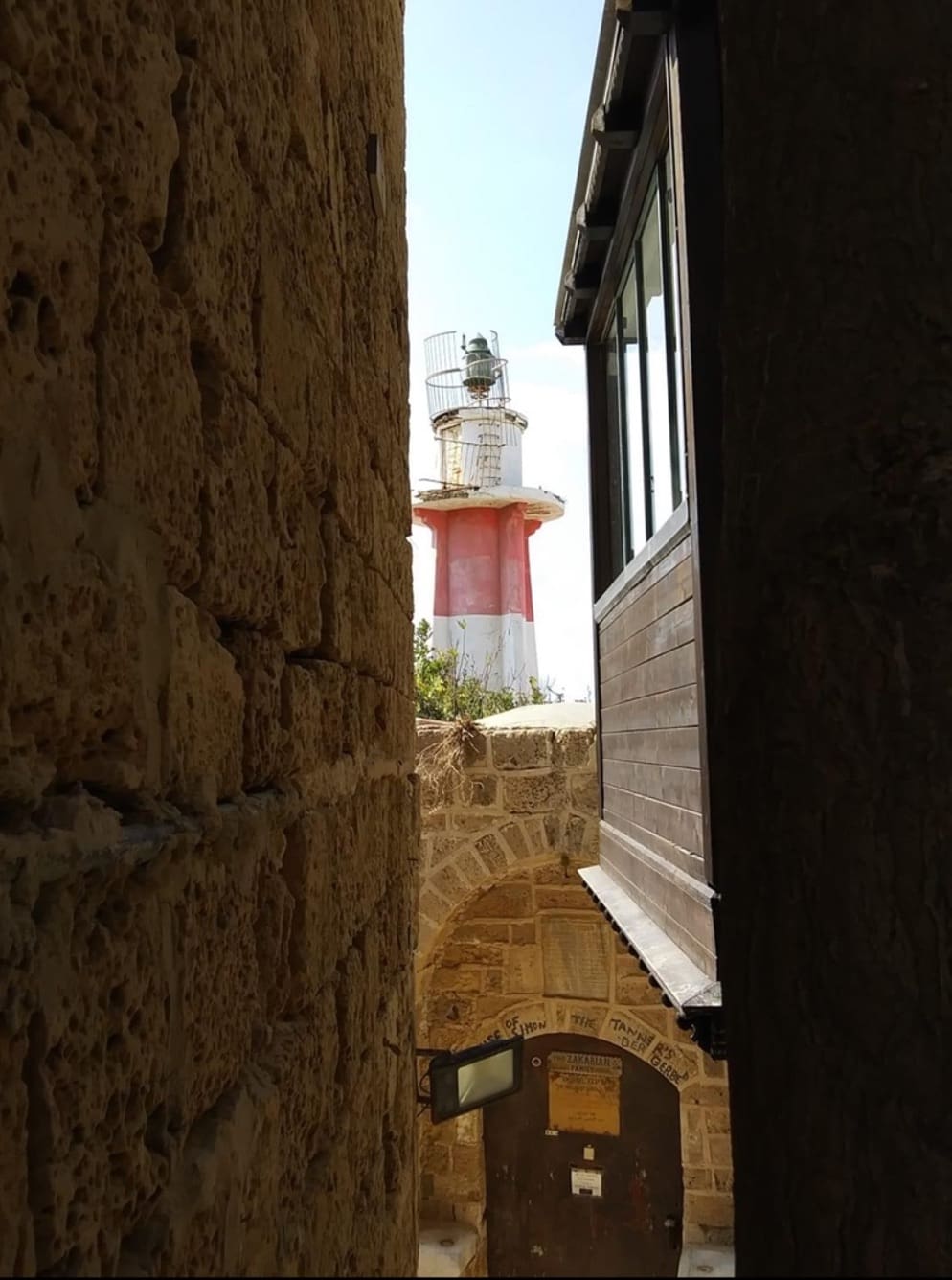
The traditional site of the house of Simon the tanner in Joppa serves as a lighthouse, as indeed it did metaphorically in the book of Acts. Some people believe that this is the house where Peter raised Tabitha from the dead in a striking parallel to one of Jesus’ miracles in Mark 5. There, Christ raised a young girl from the dead with the Aramaic words “Talitha cumi.” If Peter were speaking Aramaic as well in Acts 9, his command of “Tabitha arise” would have been “Tabitha cumi.” Photo by John Buckner
Discover more from Enjoying the Journey
Subscribe to get the latest posts sent to your email.