The Word of God is an amazing book. Only through its divine lens do we begin to see clearly. Without it our view of reality is skewed by sin and clouded by the world around us.
God’s Word is a window that shows us God. The Bible sheds light on who God is. As we gaze through it we are given a vision of his holiness.
God’s Word is a telescope that shows us the future. It is full of prophecy – looking beyond this sad, broken world and into eternity. With eyes of faith we see what cannot be seen around us now (Hebrews 11:1).
God’s Word is a microscope that shows us truth. Scripture reveals the truth about everything of real importance. The God of order, the One who works in the details, shows us all we need to know about life, family, church, and world issues. Look!
But, there is more. God’s Word does not just show us God, the future, and the world around us…
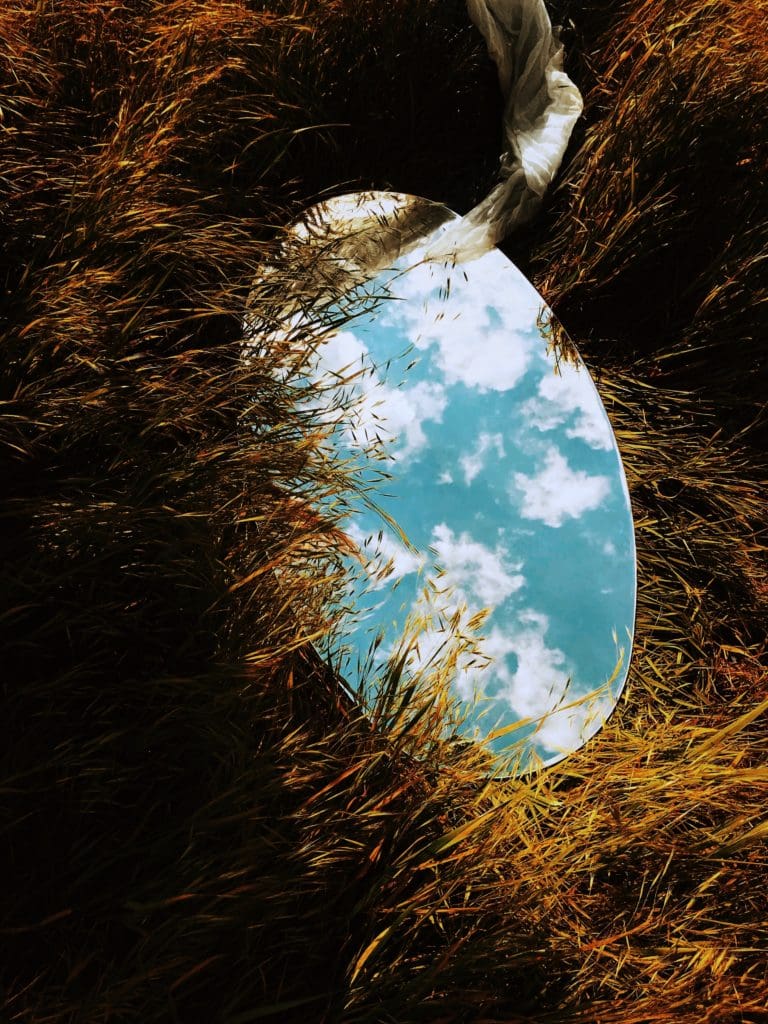
It is a mirror that shows us us. Perhaps that is why we hesitate to open it and neglect to read every part. As you read the Bible, it reads you. What do you see when you look in the mirror?
But be ye doers of the word, and not hearers only, deceiving your own selves. For if any be a hearer of the word, and not a doer, he is like unto a man beholding his natural face in a glass: For he beholdeth himself, and goeth his way, and straightway forgetteth what manner of man he was. But whoso looketh into the perfect law of liberty, and continueth therein, he being not a forgetful hearer, but a doer of the work, this man shall be blessed in his deed (James 1:22-25).
How foolish it would be to get up in the morning and rush into the day without looking in the mirror! How much worse to look into the mirror, see the flaws, and do nothing about them. Why would we give more attention to our bodies than to our souls?
The mirror of God’s Word shows you what God sees, beneath the surface. He still looks on the heart (1 Samuel 16:7). So much of our lives are for public consumption. A façade. But we are not what we say we are. We are not what others think us to be. We are what God knows us to be and He declares that in His Word.
Too many days when I look in the mirror I see my first father, Adam, and that sin nature. Only as I allow the Spirit to work on me through the Scriptures does the image of Christ begin to be formed in me. Gaze at God in His Word today and you will also see yourself more clearly. “But we all, with open face beholding as in a glass the glory of the Lord, are changed into the same image from glory to glory, even as by the Spirit of the Lord” (2 Corinthians 3:18).
What do you see when you look in the mirror?
Discover more from Enjoying the Journey
Subscribe to get the latest posts sent to your email.