
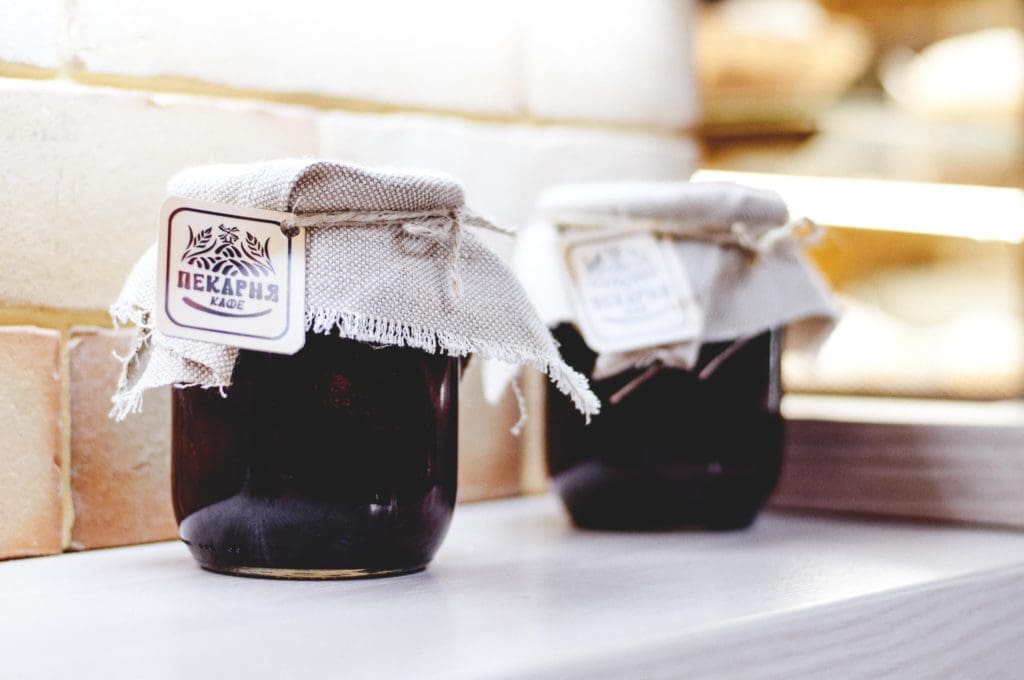
I love preserves…grape, strawberry, blueberry, blackberry…yes, I like them all! The preservative principle is that some substance is used to prevent something whole and fresh from decaying.
God provides divine preservatives for life. They are woven throughout the fabric of Scripture and must be built into the lives of sincere followers of Christ. God wisely designed it so that what brings Him the greatest glory brings us the most good.
There are many “preservatives” in Scripture: integrity (Psalm 25:21), truth (Psalm 40:11), caring for the poor (Psalm 41:2), prayer (Psalm 64:1), holiness (Psalm 86:2), discretion (Proverbs 2:11), and wisdom (Proverbs 4:6, 14:3). In each God is the great Preserver. As we obey the Lord He provides what we need and also protects us from the enemy, from the evil around us, and even from ourselves!
One of the most powerful preservatives is the divine preservative of gratitude.
I have noticed that one of the chief things the Holy Spirit uses to guard our spirits is the discipline of thankfulness. Gratitude makes all the difference – in a home, in a church, and in a life. Praise can protect your spirit during the strongest attacks.
Psalm 5:11-12 says, “But let all those that put their trust in thee rejoice: let them ever shout for joy, because thou defendest them: let them also that love thy name be joyful in thee. For thou, Lord, wilt bless the righteous; with favour wilt thou compass him as with a shield.” Remember that it was when Israel began to sing and praise God that the Lord defeated their enemies (2 Chronicles 20:22).
Lester Roloff once said, “Sometimes you can praise your way through things you can’t seem to pray your way through.”
Through the battles of life praise keeps you hidden in the presence of God. In the storms of circumstance gratitude is a life preserver that will keep you from sinking. Thankfulness always brings you to divine resources.
- Gratitude keeps you from the pride of life by reminding you how underserving we all are and helping you stay humble before the Lord.
- Gratitude keeps you from the lust of the flesh by satisfying you with the all-sufficient goodness of God.
- Gratitude keeps you from the lust of the eyes by causing you to be content with what you have and with who He is.
It is the divine preservative.
There is a wave of critical, sour, “victim mentality” thinking streaming through social media and washing over the minds of so many believers right now. Do you know what is consistently missing? Gratitude. Bitter people always forget the good. Spurgeon said, “By some strange perversity we tend to remember what we should forget and forget what we should remember.” Give the hard things to God and keep a grateful spirit.
Gratitude is a divine preservative that will keep your spiritual life whole and your testimony fresh.
Discover more from Enjoying the Journey
Subscribe to get the latest posts sent to your email.






Amen and amen.
Thanks for these timeless truths!
Praying for you Preacher.
In Christ
Very grateful.