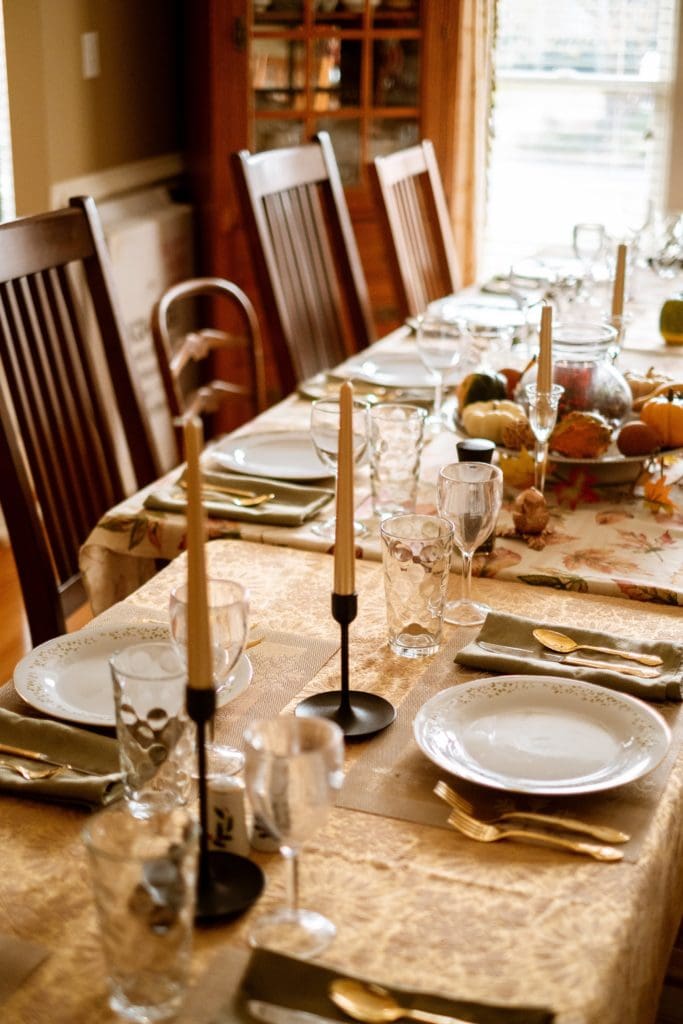
When I was a child Christmas was my favorite holiday. As I have grown older, Thanksgiving has moved into that place. I love the time of year, the emphasis, the quiet, the moments with family, and yes, I love the food!
Yet there is something greater than a week of Thanksgiving, and that is a life of praise. It encompasses every season and brings all of life into the conscious presence of our good God. A holiday may serve as a reprieve from the chaos in our world, but it should be a reminder to live a Godward life every day. Every day is to be a day of praise for God’s people (Psalm 145:2).
Even hard days.
One of the blessings of the gospel is that it gives “the garment of praise for the spirit of heaviness” (Isaiah 61:3). These are heavy days. Hurting souls and sorrowing families are to be found everywhere. What a joy to discover that our hearts and minds can be clothed with praise! This is not just a covering for show; it is divine provision and protection from the wickedness around us.
Where should this praise begin? God designed that a life of praise, like every good thing, would be exemplified and taught first at home. Children do not learn to praise God in a public worship service; they should learn it in the privacy of their own home.
“The living, the living, he shall praise thee, as I do this day: the father to the children shall make known thy truth” (Isaiah 38:19).
The earlier in life a young person learns to praise God the more God-honoring their whole life will be. A younger generation needs to see and hear a demonstration of praise from those who are older in the faith (Psalm 148:12-13).
If a generation of young people have grown up full of ingratitude, bitterness, and cynicism it is an indictment on us as parents and grandparents. Where is the praise? They must choose it, but we must show it!
Psalm 78 is a classic passage on parents teaching their children the things of God. But have you ever noticed the first thing on the list that we are to teach? “We will not hide them from their children, shewing to the generation to come the praises of the Lord, and his strength, and his wonderful works that he hath done” (Psalm 78:4). Our job is not done until we have taught our children to praise.
Don’t just give them truth – give them thanks. It is possible to pass on principles and fail to pass on praise. You may teach children good doctrine, but have you taught them a good spirit? We instill the Word into their minds, but we are to guide them to worship God with their hearts!
Praise does not begin at the church house – it should begin at our house. It must begin with us and with our children. May God make this Thanksgiving the greatest holiday you and your family have ever known, and may the spirit of praise go on in our homes in the days ahead.
(Listen to our current Thanksgiving series, The Hallelujah Chorus, at enjoyingthejourney.org/broadcast.)
Discover more from Enjoying the Journey
Subscribe to get the latest posts sent to your email.