Foster Care, Adoption, and the Gospel
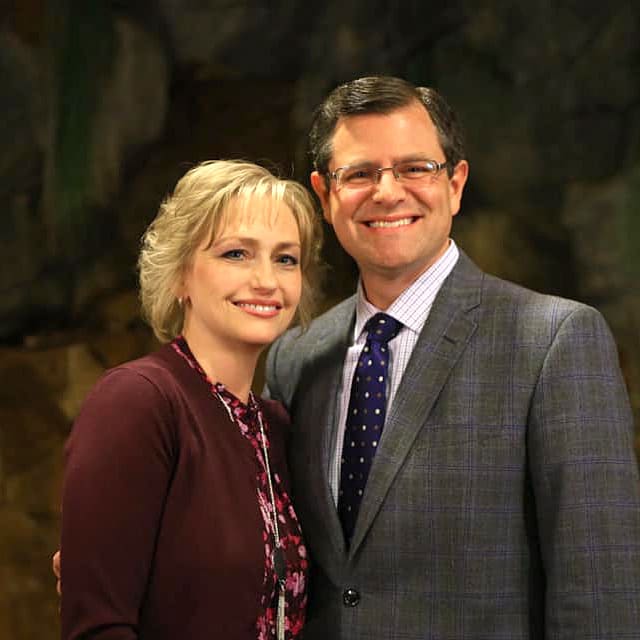
Before our little girls ever walked through our front door, before they ever smiled up at Amanda, called her “mom,” or reached for her hand, my wife had already chosen to love them. She didn’t need the paperwork finalized or the plans certain. She wasn’t looking for guarantees, timelines, or assurances that everything would turn out well. She simply said, “They need love. And I have love to give.”
At that moment, our girls had no idea she existed. They didn’t know rooms were being rearranged and painted. They didn’t know beds were being assembled—sometimes more than once. They didn’t know clothes were being folded, car seats added and re-inspected, or strollers tested in the driveway. They didn’t know someone was praying for them, advocating for them, or counting the days until they arrived. All they knew was that their world felt unstable and their future uncertain.
Amanda did not wait for the girls to earn her love. She loved them first. To some people, that kind of love feels reckless. It moves too quickly. It gives too much. It commits without guarantees. But that is exactly how God loved us.
Scripture tells us that God did not love us because we were already His. He loved us in order to make us His. “God commendeth his love toward us, in that, while we were yet sinners, Christ died for us” (Romans 5:8). Long before we knew His name, before we understood what He had done, before we could respond or not respond in faith, God was already acting in love on our behalf.
That is the gospel.
And foster care and adoption, in their own imperfect and human ways, place that gospel into everyday life. When a child walks into a home they did not choose and is welcomed simply because someone decided to love them, the gospel is no longer theoretical. It is tangible. We see that in three ways:
We Were Outsiders. Christ Brought Us In.
Scripture is uncomfortably honest about our original position before God. We were not neutral. We were not insiders waiting for a chance. We were, as Paul writes, “aliens from the commonwealth of Israel, strangers from the covenants of promise, having no hope and without God in the world” (Ephesians 2:12).
That word means we did not belong. We were not merely distant; we were disconnected. We had no rightful claim, no standing, no access. We were on the outside looking in, unable to enter on our own.
And then comes one of the most beautiful turns in all of Scripture: “But now in Christ Jesus ye who sometimes were far off are made nigh by the blood of Christ” (Ephesians 2:13). Everything changes in those words: But now in Christ. The gospel is not God improving our circumstances. It is God changing our location. We were outside the household, and Christ brought us near not by effort or merit, but by His blood.
Foster care quietly mirrors that movement.
Children in care are, by definition, outsiders. They enter homes that are not their own. They arrive without history, familiarity, or trust. They are brought near not because they earned a place, but because someone opened the door.
Every foster child begins on the outside. Every open door tells the same gospel story: Christ brings near those who do not belong so that they might.
We Were Temporary Guests. God Made Us Family.
Foster care is, by design, often temporary. The goal is usually reunification. Homes open, lives overlap, and then sometimes, far sooner than anyone is ready, goodbyes come. That reality creates tension, especially for those who love deeply. It asks families to give their hearts while holding their expectations loosely.
But that tension itself teaches something profoundly biblical.
Scripture reminds us that God’s plan was never short-term shelter or provisional care. It was adoption. Paul tells us that God “predestinated us unto the adoption of children by Jesus Christ to himself” (Ephesians 1:5). Adoption is not an afterthought in salvation. God did not rescue us merely to keep us safe for a season. He rescued us to bring us home. In Christ, we move from temporary to permanent. The gospel is not God saying, “You can stay for now.” It is God saying, “You belong.
That distinction matters.
Anyone who has watched a foster child live with uncertainty understands its weight. Children learn quickly what it means to wait, to see what will happen next, to hear where they will go, to find out if this place will last. Foster care asks families to enter that waiting with them, loving faithfully even when the ending is unclear.
Adoption changes that story. When a child is adopted, their status changes forever. They are no longer under review or waiting for the next move. They receive a name, an inheritance, and a future. They are no longer passing through. They are home.
That is the gospel. God does not leave us as tolerated guests in His house. Through Christ, He makes us sons and daughters fully, finally, and forever.
We Were Not His Children by Nature. He Made Us His Children by Grace.
One of the most humbling truths of the gospel is not how far God was willing to go for us, but who He went for. Scripture is clear that we were not born into God’s family by nature. We did not arrive with a rightful claim. We were not heirs waiting for recognition. John writes, “As many as received him, to them gave he power to become the sons of God… which were born, not of blood, nor of the will of the flesh… but of God” (John 1:12–13).
Becoming God’s children was an act of grace.
That distinction confronts one of our most persistent assumptions, that love must be deserved before it is given. The gospel dismantles that idea. God did not adopt us because we were promising. He adopted us because He is gracious.
Anyone who has walked through foster care understands this truth instinctively. Children enter care carrying wounds they did not choose, behaviors they did not design, and histories they cannot explain. Love does not begin with their performance. It begins with a decision.
Grace always moves first.
That is why foster care and adoption feel so sacred. They place grace where merit has no voice. A child does not earn a place in a family by being easy or well-adjusted. They are welcomed because someone chooses to call them mine.
In the same way, God’s love does not wait for us to become lovable. He loves us to make us His. This is where the gospel becomes unmistakably clear.
We were outsiders, and Christ brought us in.
We were temporary guests, and God made us family.
We were not His children by nature, and He made us His children by grace.
That is the story of redemption. And when the church lives that story through foster care, adoption, and faithful support of those who say yes, it declares something powerful to a watching world: grace is real, belonging is possible, and no one is beyond the reach of a loving Father.
*Pastor Delaney is the author of Placed: order a copy of this insightful book and find more resources at placedfamilies.org.
LEARN MORE ABOUT ALL WE HAVE IN CHRIST:
Discover more from Enjoying the Journey
Subscribe to get the latest posts sent to your email.
Post Author
More from similar topics
Adoption | Compassion | Ephesians | Family | Foster care | John | John 1 | Romans 5 | Salvation | family of God