
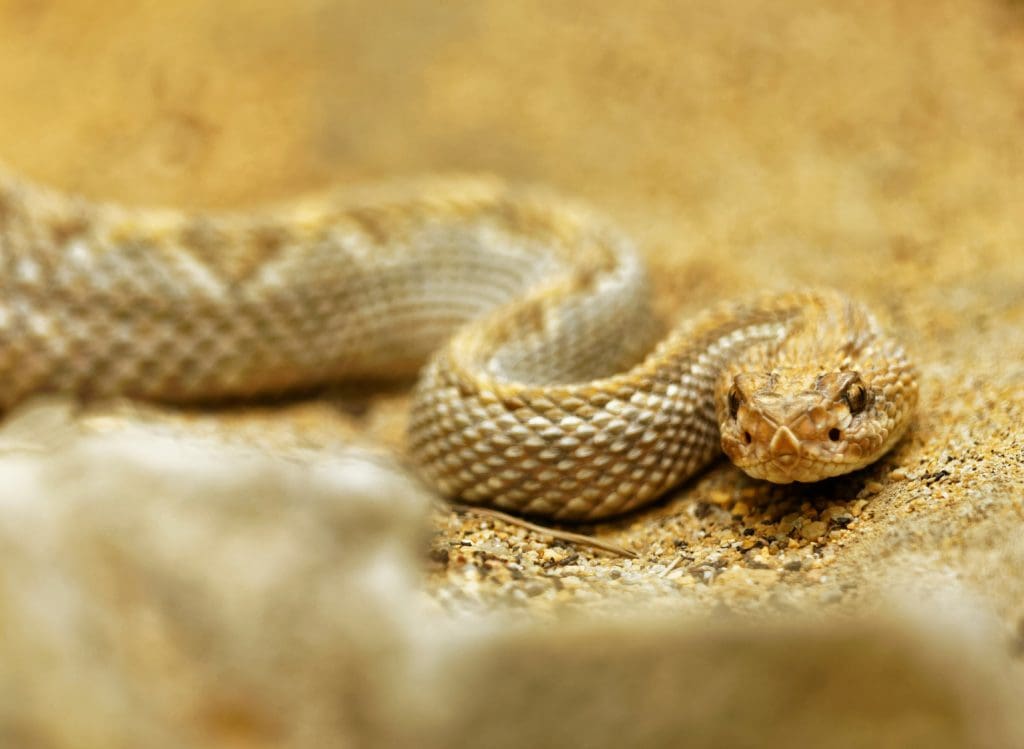
“And Moses made a serpent of brass, and put it upon a pole, and it came to pass, that if a serpent had bitten any man, when he beheld the serpent of brass, he lived” (Numbers 21:9).
Even in judgment, God provides a means of salvation. When the people cried out due to the fiery serpents biting them, God ordered Moses to make a brass serpent and hang it on a pole. But where would the prophet find brass, an alloy of copper, in the barren deserts of Edom?
By the providence of God, the children of Israel were camped near the most significant copper mines of the ancient Mediterranean, with the possible exception of some mines on the island of Cyprus. The mines are in the Feynan region of modern Jordan, but their history extends back before recorded history.
After the Israelites, the area was mined by the Romans and various groups in the Middle Ages, and it finally stopped being economically viable in the 1960s. So when God instructed Moses to construct a brazen serpent, the physical material was close at hand, possibly lying about on the ground under their feet. God did not demand something that He Himself had not already provided. Moses constructed the serpent and anyone who looked at the brass serpent on the pole.
Jesus drew on this story as He preached a personal sermon to Nicodemus. He said, “And as Moses lifted up the serpent in the wilderness, even so must the Son of man be lifted up: That whosoever believeth in him should not perish, but have eternal life. For God so loved the world, that he gave his only begotten Son, that whosoever believeth in him should not perish, but have everlasting life” (John 3:14-16).
Can you imagine what Nicodemus felt as he heard these beautiful words as God’s Son spoke them to him in a personal sermon? Nicodemus no doubt knew that the mines were right there when the Israelites needed them, and now the Savior he needed was looking him in the eye.
It is the same for us as it was for the ancient children of Israel and for Nicodemus. Throughout the Bible, from Genesis to Revelation, we are told of our enemy, the serpent Satan. We have all suffered his murderous bites, and like the Israelites, we are dying. However, God has already provided healing for our wounds. Have you believed on Christ, the One Who was lifted up? He is victorious over mankind’s fiery serpent. Look to Him and live.
“And I will put enmity between thee and the woman, and between thy seed and her seed; it shall bruise thy head, and thou shalt bruise his heel”(Genesis 3:15).l
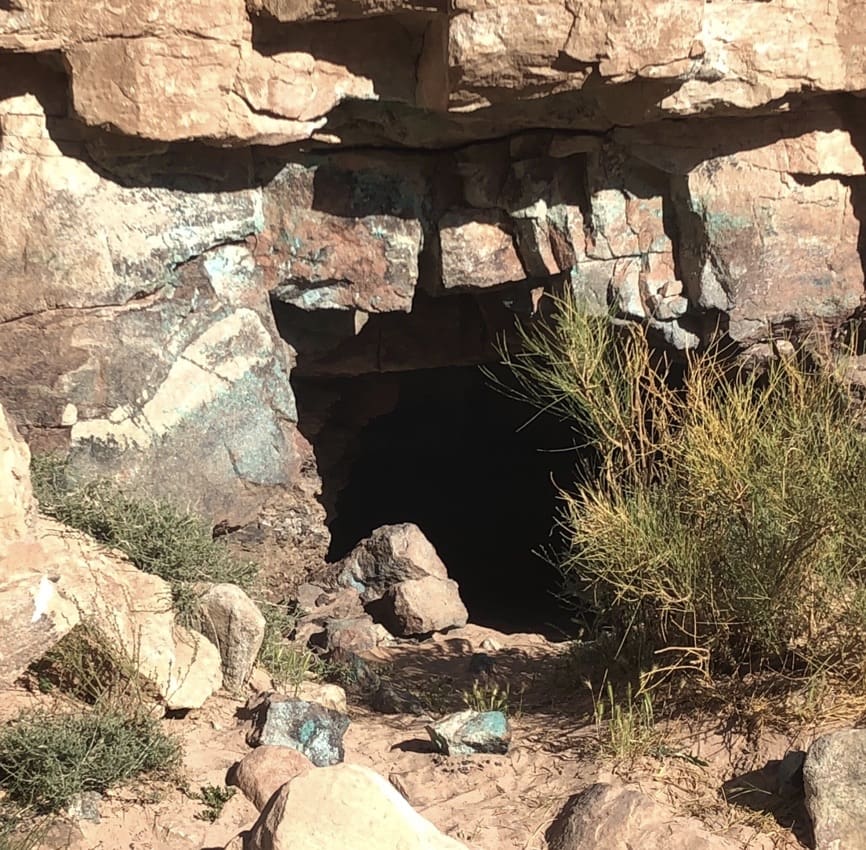
Ancient copper mine shaft in biblical Edom, the modern Feynan, Jordan. Copper is visible around the entrance to the shaft. Photo by John Buckner
Discover more from Enjoying the Journey
Subscribe to get the latest posts sent to your email.

Amen brother