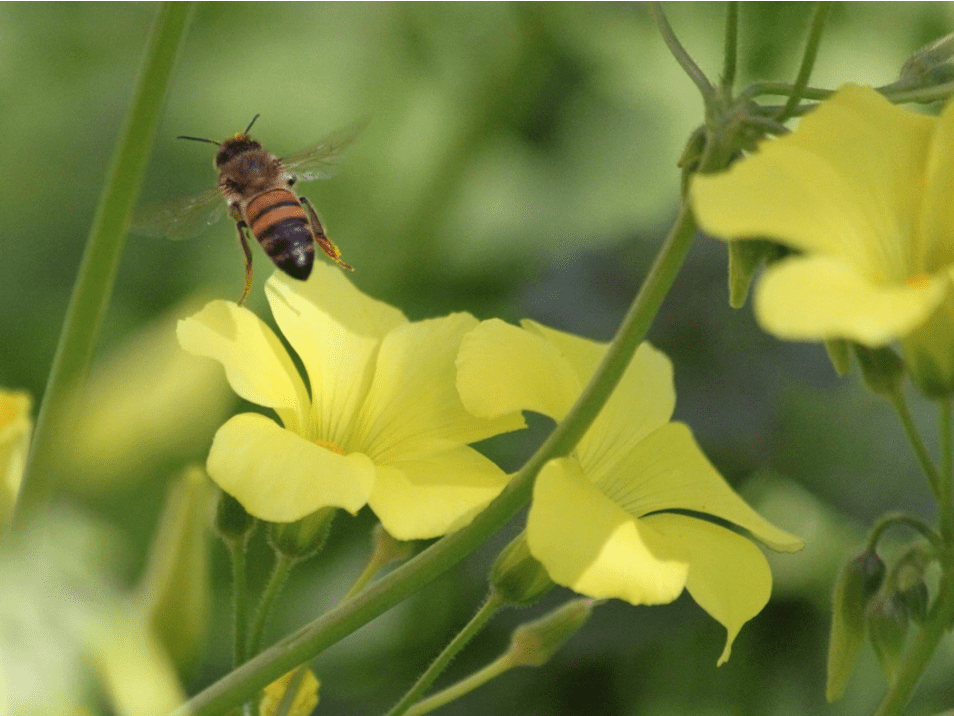
“And I am come down to deliver them out of the hand of the Egyptians, and to bring them up out of that land unto a good land and a large, unto a land flowing with milk and honey;” Exodus 3:8a
Throughout the Hebrew Bible, God referred to the promised land as a land that flows with milk and honey. The traditional understanding of the land flowing with milk and honey is the basic division of the promised land into arable and non-arable land. In this understanding, the lands flowing with honey were the flowering meadows and pastureland of the coastal areas, and the rain-soaked mountains that ran up the center of the land. Here, the crops and abundant wildflowers were pollinated by the bees.
In contrast to modern times, the ancient Israelites did not raise many cows. Instead, they relied on sheep and goats for milk. Due to conflicts early on in their history, shepherds and their flocks were relegated to the rocky, or desert areas where agriculture was difficult or futile. Here in the deserts, the land flowing with milk, the shepherds would lead their flocks to scattered patches of grass and isolated springs.
Shepherds and farmers were in conflict, frequently due to sheep and goats destroying standing crops. Since shepherds were often nomadic, they could come at night and graze their flocks in a farmer’s remote field, then move on and avoid any consequences. Some scholars believe this is why shepherds were seen as abominations to the Egyptians in the Nile Valley. (Genesis 46:34)
However, the idea was to form a symbiotic relationship between both groups where the shepherds would bring their flocks from the wilderness into pastureland both before and after a harvest to eat weeds and to fertilize the ground. This profited both groups of people, as did the exchange of goods between them. In addition, shepherds ranged far and wide, so they served as scouts and an early warning system about approaching invaders.
In Exodus God called all of the promised land good. Often we are tempted to rebel against God when He leads us through dry land, as the Israelites did in Numbers. In fact, they rose up against Moses and rejected God’s land, both fertile and dry. Instead, they wanted to return to Egypt, a land they claimed was also “flowing with milk and honey.” (Numbers 16:13) Leaving the well-watered land of Goshen and the Nile Valley shocked them, and they rejected both God’s promise land and His prophet Moses.
God always provides us with what we need, whether we are in the well-watered land of honey, or the dry land of milk. All of His promised land is good. It is easy to thank Him when He takes you to green pastures and leads you beside still waters. However, we should never forget that even in the dry desert places He always takes care of His people.
“And they thirsted not when he led them through the deserts: he caused the waters to flow out of the rock for them: he clave the rock also, and the waters gushed out.” Isaiah 48:21.
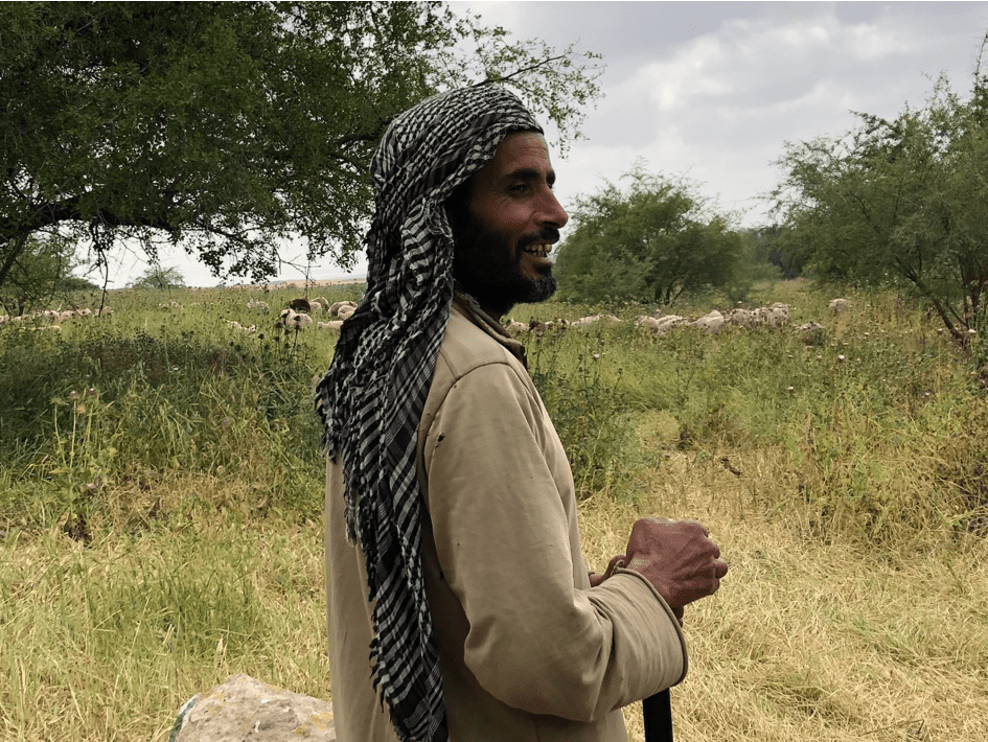
Shepherd at the foot of Biblical Gath of the Philistines. He has brought his flock into an orchard to help with the weeding. Sheep are preferred for this purpose since they tend to only eat grass and weeds, whereas goats will also eat leaves from the trees and break branches.
Discover more from Enjoying the Journey
Subscribe to get the latest posts sent to your email.