The Massacre in Bethlehem
“Then Herod, when he saw that he was mocked of the wise men, was exceeding wroth, and sent forth, and slew all the children that were in Bethlehem, and in all the coasts thereof, from two years old and under, according to the time which he had diligently inquired of the wise men. Then was fulfilled that which was spoken by Jeremiah the prophet, saying, In Rama was there a voice heard, lamentation, and weeping, and great mourning, Rachel weeping for her children, and would not be comforted, because they are not” (Matthew 2:16-18).
Many tours to Bethlehem take pilgrims to the Church of the Holy Sepulcher in Manger Square. However, nearby is a seldom-visited but sobering site. It is a cave that is not often open to visitors but has been turned into a chapel dedicated to the memory of the babies that Herod ordered killed. One part of the cave is filled with human bones, some large and some tiny, like babies. The local legend states that when Emperor Constantine’s mother, Helena, came to the holy land in the 4th century AD, she bribed a rabbi to show her where the babies’ bodies mentioned by Matthew were buried. An alternate legend says that the bones in the cave and chapel belong to Christians killed by Muslims during the Islamic conquest of the land in the 7th century AD.
The Wickedness of Herod
King Herod showed a pattern of paranoia throughout his life. He would suspect someone of plotting to kill him, so he would strike first, and then go into a deep depression. He cycled through this pattern several times in his life. In his desperation to kill the baby Jesus, and many other times in his life, he did not mind slaughtering innocent people whom he believed stood in his way.
Later in life, he was concerned that his death would not be mourned, but rather celebrated. So when he was dying, he ordered a large group of important men to come to Jericho, where he had a hilltop palace. He gave the word that they were to be killed when he died, thus ensuring national mourning. Fortunately for the men, Herod’s successors did not carry out his wishes. In his will, he provided money for guards for his tomb. Once the money ran out, the guards left. Locals came and smashed his tomb to pieces, and it was not rediscovered until 2007.
The Reality of Evil
Whether the bones in the cave under Manger Square belong to the babies that Herod killed, or to the Christian martyrs during the Islamic conquest, one thing is certain: evil men do not care who they have to kill to stop the spread of the Gospel. It is common in the West to speak of persecution as something that is coming, but not yet here. When we do this, we forget that the persecution of Christians is not just a reality in much of the world. Beyond that, it is enshrined in law in many places. As Christ Himself warned us in John 16:2, “the time cometh, that whosoever killeth you will think that he doeth God service.”
Believer, are you prepared spiritually to remain faithful to your Savior if that time of persecution, imprisonment, or even martyrdom comes for you? If Satan was willing to murder the baby Jesus, how much more will he want to kill Jesus’ followers? Beyond that, will you commit to pray for the millions who are suffering persecution right now for their faith in Christ?
“May the Lamb that was slain receive the reward of His suffering.” (Heart cry of the Moravian missionaries.)
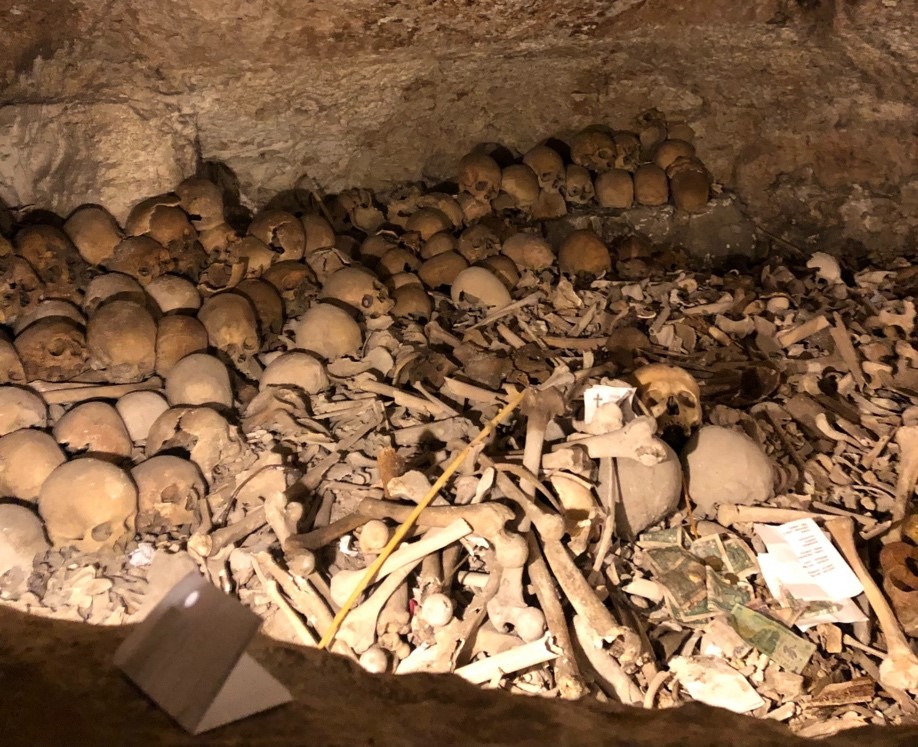
Bones in the Chapel of the Holy Innocents in Bethlehem. These are believed by many to be the bones of the children slain by Herod in his attempt to kill Jesus.
Photo by John Buckner
Learn How to Witness for Christ
Discover more from Enjoying the Journey
Subscribe to get the latest posts sent to your email.