Floods in the Desert John Buckner

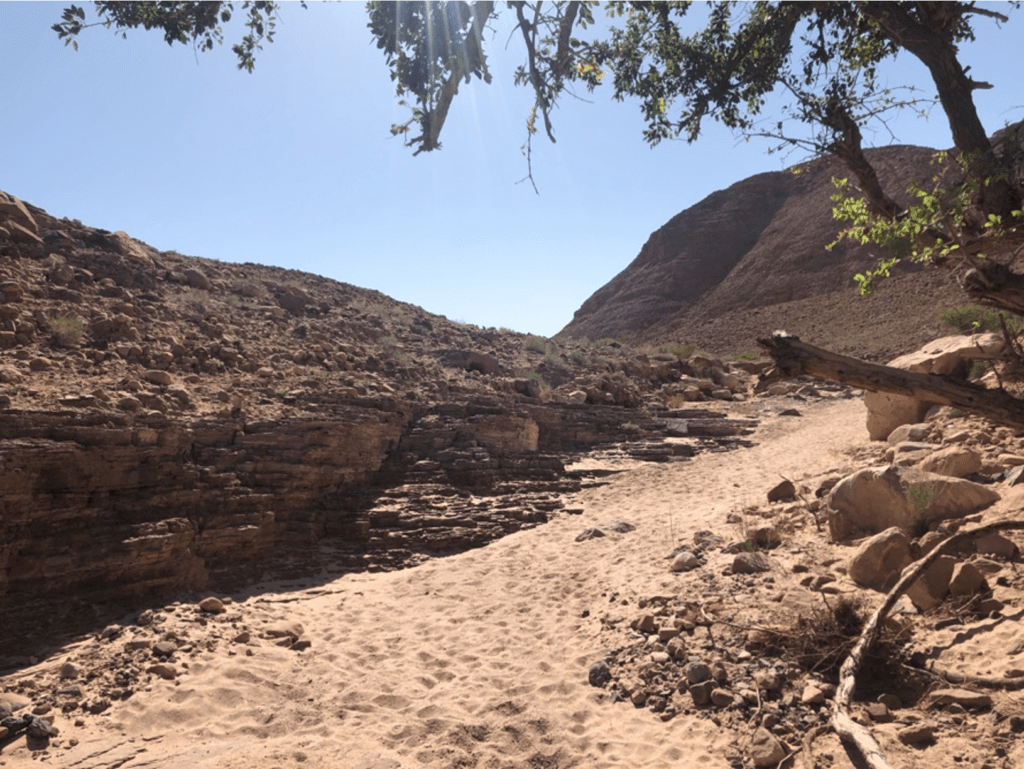
The soft, inviting sand in the bottom of most wadis appears to be an ideal place to pitch a tent for the night. However, the wise camper will instead spend the night on the high ground, despite the rocks and thorn bushes. Wadis, such as this one in Jordan, can be deceptive. 
Photo by John Buckner
โ€œAnd the rain descended, and the floods came, and the winds blew, and beat upon that house; and it fell not: for it was founded upon a rock. And every one that heareth these sayings of mine, and doeth them not, shall be likened unto a foolish man, which built his house upon the sand: And the rain descended, and the floods came, and the winds blew, and beat upon that house; and it fell: and great was the fall of it.”ย Matthew 7:25-27

In the deserts along the Great Rift Valley in Israel and neighboring countries, children learn early in life to be aware of rainfall in the highlands. When the rains start up in the mountains, floods can sweep down the sand-filled canyons, known locally as wadis. A wadi can go for years without experiencing a flood, but when it does come, it is sudden and violent. Car-sized boulders are flung about, and the water can be yards deep in mere moments. Some of the Arab tribes in the highlands have large drums that they bang when the rains begin. The noise carries far down the canyons and warns shepherds, hikers, and others to get to higher ground.

Jesus took care to use a local example to illustrate life following Him. His words challenge us to choose between the easy, soft, but ultimately destructive life of ignoring His teachings and trying our luck on the sand. Or we can choose to build in safety upon the rock.

His ancient audience would have immediately grasped that Jesus was not teaching about beach houses, but instead about building on the sand in the bottom of a desert wadi. Sooner or later, the rains will fall, and a flood will come crashing down the wadi to destroy everything the foolish man built. I am sure that they thought, โ€œNobody could be that foolish. Everyone knows to be careful down in the canyons.โ€ However, Jesus used this local illustration to confront them with their own refusal to be wise and heed His words.

How about you reader? Where have you chosen to build your house? Are you ignoring Christโ€™s words down on the soft sands of the wadi floor? If so, I must warn you that destruction is coming. The only safe place to build your house is on the Word of God made flesh, our rock Jesus.

Discover more from Enjoying the Journey

Subscribe to get the latest posts sent to your email.
Post Author

More from similar topics

Subscribe to Blog via Email

Recent Posts

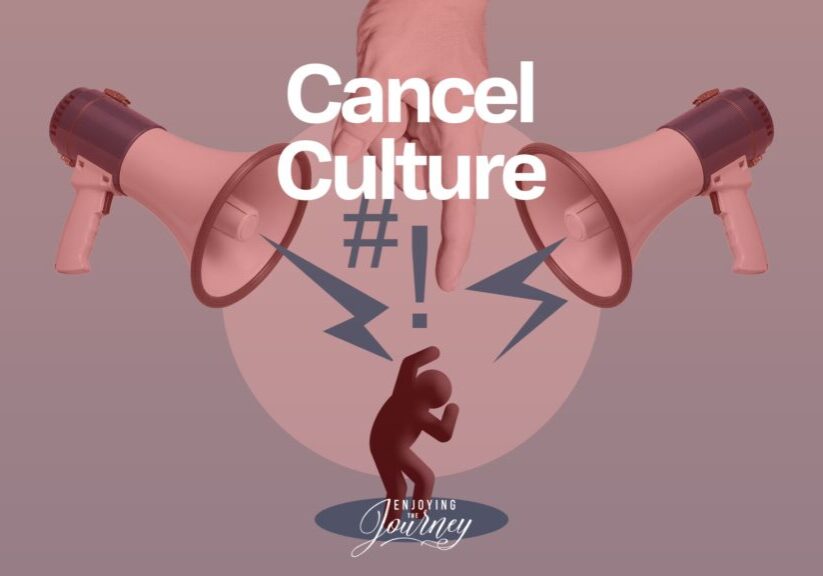
We are living in what is now referred to as a โ€œcancel culture,โ€ but there are some things the cancel culture cannot touch. In the days ahead, we, no doubt, are going to face increased scrutiny and fight intensified persecution. Our world is in desperate need of more of John Bunyanโ€™s โ€œValiant for Truth.โ€ย 

Cancel Culture

Bible Biographies-Sosthenes

Bible Biographies: Sosthenes

God is not the author of confusion (1 Corinthians 14:33). He is truth, and only His truth can cut through the complications and complexities of the world in which we now live. We all have questionsโ€ฆthe question is: where will we go to find answers? The Bible does not speak to every subject, but it does address every topic of eternal significance to God and man. And it gives unchanging principles by which we can discern what is right and what is wrong each day. As we open the Bible, we open the mind of God, and as we search the Scriptures, we come to understand Godโ€™s way for us.

Questions, Questions, Questions

I do not know if Dr. Lukeโ€™s writing was as messy as most today, but I know it was inspired! Every word of his meticulous account leads us nearer to our Great Physician, the Lord Jesus Christ. A study through the Gospel According to Luke is a visit to the Doctorโ€™s office that you will be glad you made. There was such a man on the pages of the New Testament. His name is Luke, and the Apostle Paul calls him โ€œthe beloved physicianโ€ (Colossians 4:14). We believe that Dr. Luke ministered to Paul during his missionary journeys, but we know at one point that he began to minister to many others. Acts 16 records in Lukeโ€™s own words the moment when he joined Paulโ€™s gospel team. Two books of the Bible, over 25% of our New Testament, were penned under the inspiration of the Holy Spirit by this faithful man. The first of these is the gospel record that bears his name, and appropriately the revelation of Christ that concentrates on the perfect humanity of the God-Man. Luke is the only Gentile writer of the New Testament and his gospel record seems to be written primarily to a Gentile audience.

A Visit to the Doctorโ€™s Office

Leave a Reply