Selah | Hitting the Pause Button
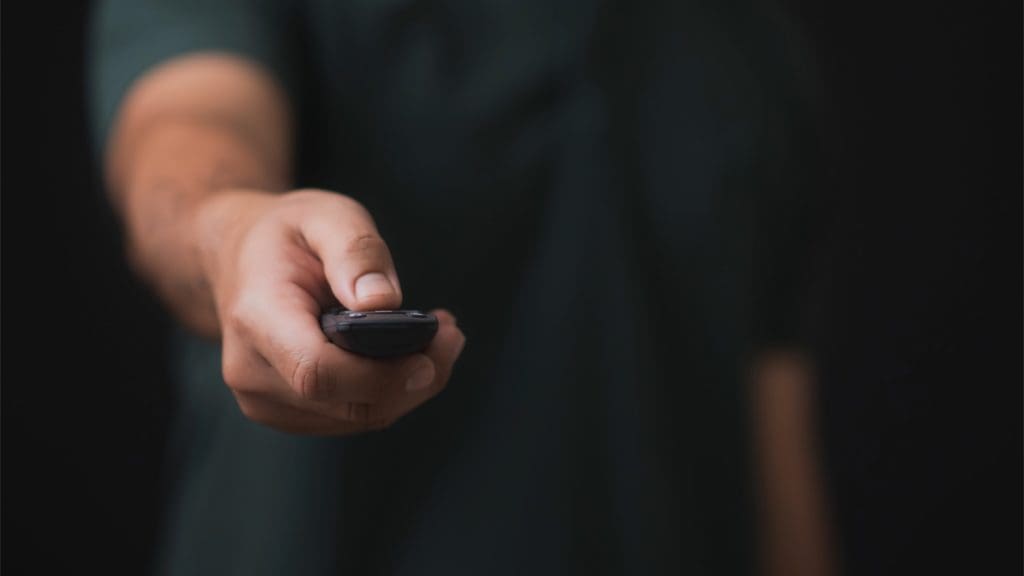
There are moments when we all need to hit the pause button. Life races on and, if we are not intentional and careful, we lose the joy and purpose of it all. Yes, sometimes you just need to pause. There is so much noise. Too many appointments. We overcommit ourselves to others and undervalue the health of our own souls. “Be still and know that I am God” (Psalm 46:10).
The same Holy Spirit who came as a mighty rushing wind also brings the gentle breeze. You do not always have to hurry to get things done. Sometimes God is doing most in us when we are not in a hurry at all.
One word in Scripture sums up the necessity of pausing: Selah.
This Hebrew word is meant as an intentional pause in the reading. A planned pause. It is found 74 times in the Old Testament, 71 times in the Psalms, and 3 times in Habakkuk. There is some debate whether the word is to be read aloud at all or if it is just a way of stopping us and calling attention to the truth. Even this is a reminder that in our Bible reading we frequently rush right on to the next verse without pausing long enough to think. To commune. To apply. In the quiet God speaks.
Much is accomplished in the pauses of life. God renews our strength in those waiting times (Isaiah 40:31). The story is often clarified in the parenthesis. We reflect; God realigns.
The pause does not mean simply “doing nothing” or filling the hours with entertainment and recreation.
The pause should have a purpose.
- Pause to ponder.
- Pause to pray.
- Pause to praise.
- Pause to plan.
- Pause to prioritize.
There is no “stop” button for life – it will go on until God says that it is finished. You cannot rewind to yesterday – it is over. It is impossible to fast forward to tomorrow – that is in God’s knowledge alone. But you can pause.
At this season of the year and this time in history, it is vital that God’s people hit pause and take a spiritual inventory of their lives. What is truly important? Does something need to be eliminated? What is missing? Is something draining our energy and distracting our attention? What should we concentrate on in the days ahead? These are questions that cannot be considered, much less answered, while we are living in the blur of ceaseless activity.
Years ago I was given a wonderful book on public speaking called Speak Like Churchill, Stand Like Lincoln. The first chapter is worth the price of the book – “The Power of the Pause.” Its premise was that the greatest way to place an emphasis is not to talk longer or louder, but to learn how to pause and let the truth sink in. The principle is good for all of life. Clarity comes through the pause.
So don’t feel guilty for hitting the pause button. Silence is good. Stillness is necessary. The pace will pick up again very shortly but now the pause is necessary.
(Read more about 6 things you should do in the last days of the year.)
Discover more from Enjoying the Journey
Subscribe to get the latest posts sent to your email.