Friends From Gath
“And David arose, and he passed over with the six hundred men that were with him unto Achish, the son of Maoch, king of Gath. And David dwelt with Achish at Gath, he and his men, every man with his household, even David with his two wives, Ahinoam the Jezreelitess, and Abigail the Carmelitess, Nabal’s wife. And it was told Saul that David was fled to Gath: and he sought no more again for him” (2 Samuel 27:2-4).
Gath in Scripture
The city of Gath was one of the principal cities of the Philistine Pentapolis, or Five Cities. They are listed in the Bible and other sources as Ashdod, Ashkelon, Gaza, Gath, and Ekron. This does not include some smaller settlements, such as Jaffa, or Timnath, where Samson found his Philistine wife. The name Gath refers to either a grape press or an olive press. Archeological evidence shows that the Israelites and Philistines were sometimes enemies, and sometimes trading partners, and not infrequently both at once. Israelites in the neighboring hill country would bring their olives down to be pressed into oil in Gath, and in other Philistine cities.
David and Gath
David fled to Gath to escape from King Saul’s persecution. This was in spite of the fact that David had killed Gath’s most iconic resident, Goliath, in hand-to-hand combat years earlier. Ironically, the heathen king treated him better than his own king did. He was given Ziklag in the south, and at one point served as King Achish’s bodyguard. David was in exile from his homeland and surrounded by his traditional enemies. However, God was with him and guided him in all that he did. In fact, in this time of persecution and exile, God gave David some of his closest friends and advisors.
The Ark and Obededom
When David wanted to bring the Ark up to Jerusalem from Gibeah, he put it on a cart instead of having it carried by Levites. When the oxen stumbled, Uzzah put his hand on the Ark, and God struck him dead. Because of this, David feared taking the Ark up to Jerusalem and instead took it to the house of Obededom, who is called a Gittite, or in other words, a person from Gath (Joshua 13:3). We are not told why David took it to his house, but we can assume that the king knew Obededom. The Ark stayed in Obededom’s house for three months, and God blessed him greatly. Later, this Philistine from Gath is listed as one of the men who played instruments and sang before the Ark of the Covenant (I Chronicles 16:5).
David and Ittai
Later in his reign, David faced a violent rebellion led by his own son Absalom. The Bible says that Absalom stole the hearts of the men of Israel. King David was forced to flee for his life, yet one friend who would not forsake him was Ittai the Gittite. He was yet another friend from Gath who loved David. David asked him why he came since he was a foreigner. Why was he getting involved in the Israelite civil war? Ittai responded that he would follow David to the grave if needed. Ittai seems to have been the leader of another six hundred Gittite warriors who sided with Israel’s rightful king. Later, David split his forces into three groups, one of which was commanded by Ittai, David’s Philistine friend from Gath.
Before he was king of Israel, David spent two long years in exile among the Philistines. He lived in Ziklag in the desert, but served Achish, the king of Gath. Christian, you may have a time of exile or difficulty in your life. You may look around and wonder why this is happening to you. However, God will use your time in Gath to form you into the person you need to be. When you are in exile, be like David and keep serving God. Due to David, more than six hundred Philistines forsook paganism and served the God of Israel. David found some of his closest and dearest friends in the hard times. These are the people who still loved him and had his back when his own nation and family turned against him.
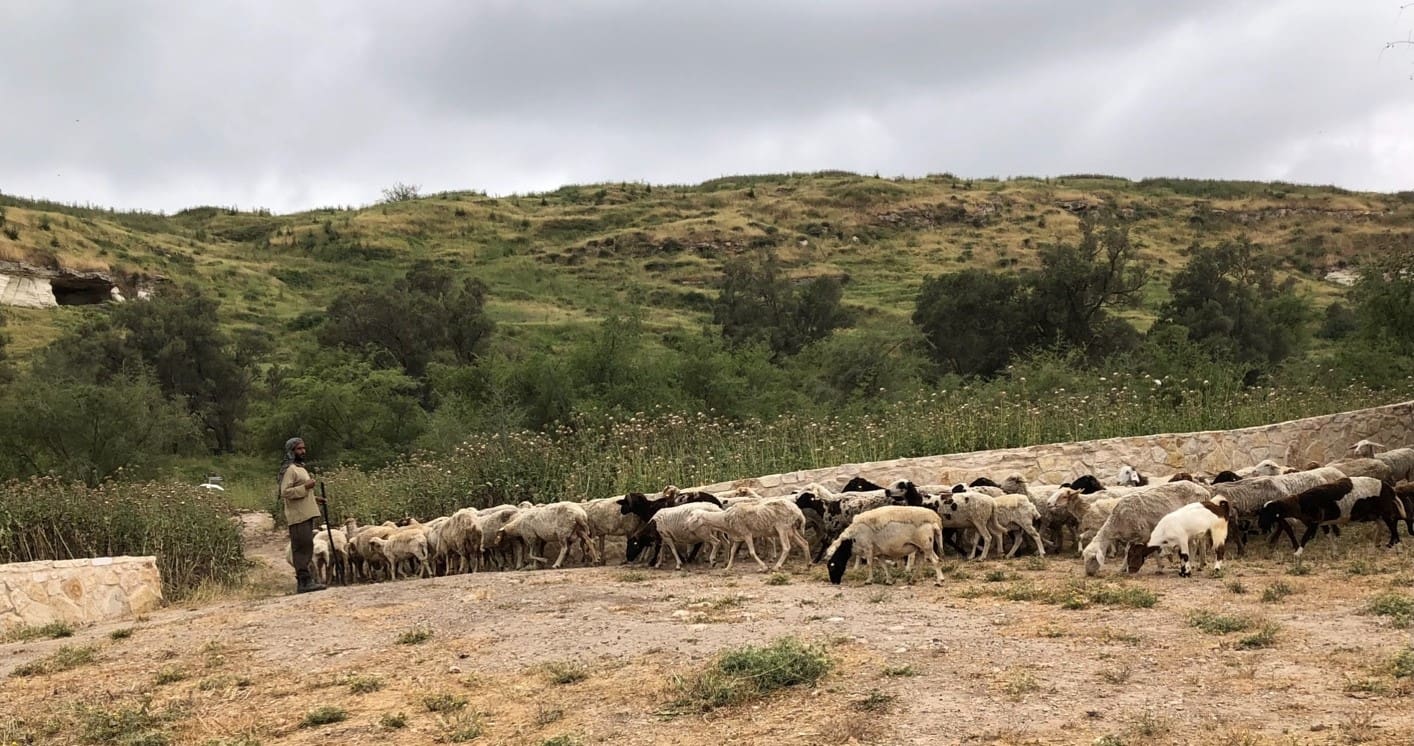
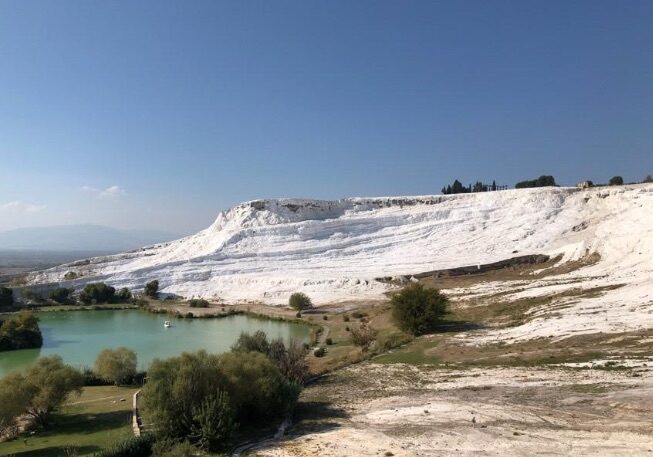
Shepherd with his flock at the foot of biblical Gath of the Philistines. Gath was one of the places God used to forge the shepherd boy David into a mighty king. Photo by John Buckner
Discover more from Enjoying the Journey
Subscribe to get the latest posts sent to your email.