Pray for the Lands of the Bible
“But ye shall receive power, after that the Holy Ghost is come upon you: and ye shall be witnesses unto me both in Jerusalem, and in all Judaea, and in Samaria, and unto the uttermost part of the earth” (Acts 1:8).
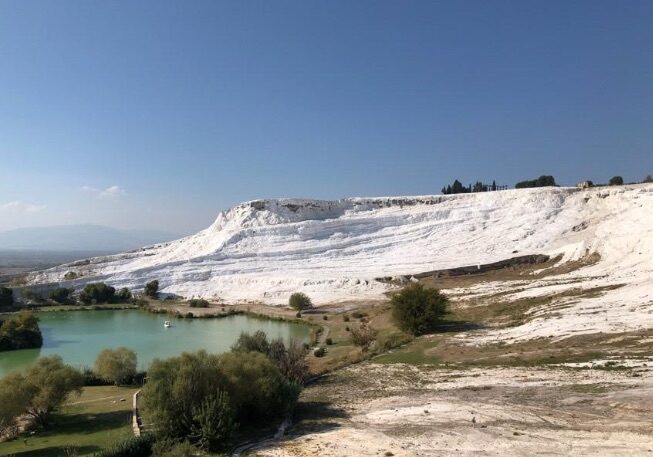
I love to travel to any place mentioned in the Bible, no matter how obscure. I have been blessed to visit famous Bible places, such as Athens and Jerusalem, and many lesser-known places like Perga and Ramoth Gilead. It is getting to where my list of Bible sites I’ve yet to visit is quite short. Seeing the places mentioned in Scripture, and walking in the footsteps of the great characters of the Bible, is for me both a time of study and of worship. If possible, I like to go into the ancient site, find a quiet place, and read the story in my Bible. For instance, when I was at the site of Perga, which is a beautifully preserved city in southern Anatolia in modern Turkey, I thought about what it must have been like to be right there and hear the apostle Paul as he and his companions preached the word in Perga (Acts 14:25). However, as is so often the case now for places where the apostles preached, my reverie was interrupted by the call to prayer echoing from the mosques surrounding the site. Today, Mohammed is preached in Perga, not Christ.
When I visit these places where biblical events took place, I don’t just visit museums and ancient sites. I also go into malls, and eat in cafes. I go to the grocery store, and since I am a dedicated backpacker, I exclusively take public transport. Yes, I walk through the museums, see the statues, and look into the eyes of the long-dead emperors and other great people. But I also see the faces of the ordinary people of the area as they go about their lives. I ride crammed elbow to elbow with them in buses so I strike up conversations and meet the locals who reside nearby. I meet kind people, many of whom invite me to tea, or even into their homes for a meal. But I meet few believers. In the places where the apostles preached, more often than not, I search in vain for a church of any kind. However, every now and then, I do find a church. Often, the church is appropriately named to remember the great work that God did locally in Bible times. These are sweet times of fellowship, but they are fewer than they should be.
Reversing the Great Commission
Brethren, may I be so bold as to say that the modern church needs to reverse the Great Commission? Let me explain that provocative statement. Jesus stood on the Mount of Olives, just east of Jerusalem, and sent His disciples into the uttermost part of the earth. We in the West sometimes lose sight of the fact that back then the Middle East was not the uttermost part of the earth; the West was. Europe was the uttermost, as were Africa, Asia, Australia, and the Americas.
People cared enough for our souls that they left their homes Middle East and obediently carried the Gospel to the unreached lands of the world, and eventually it reached us. They sacrificed, and many gave their lives, so that churches could be planted and we could hear the good news. Now the homelands of the Gospel, where our story as Christians started, need us to make the return journey, to take His story back to where it started.
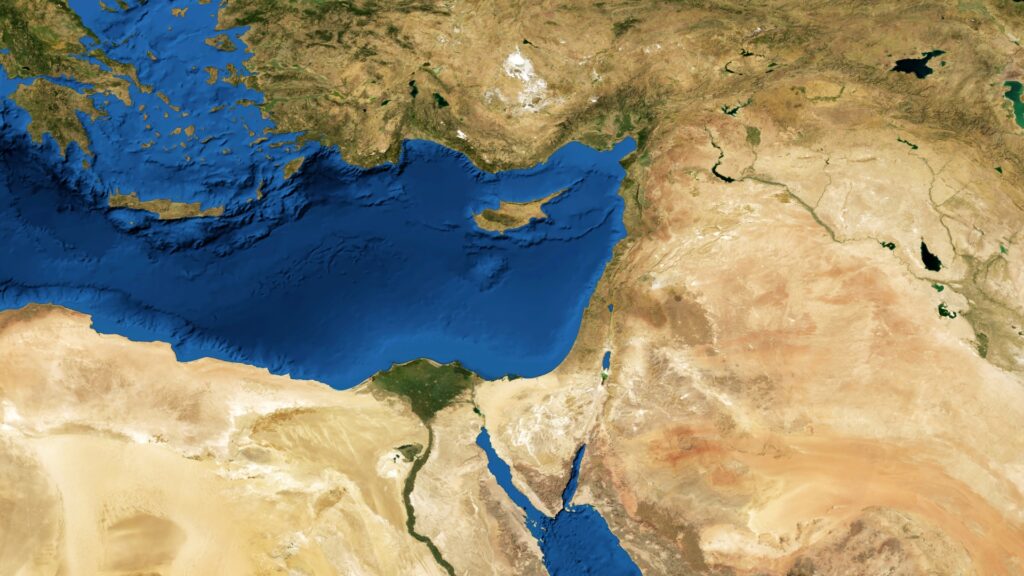
Christian, will you commit to praying for the lands of the Bible? Not just for Jerusalem, Judea, and Samaria, but also for the unreached people of Turkey, Syria, Albania, Italy, Jordan, Egypt, Greece, Cyprus, and the other eastern places where the Gospel was first preached? Will you pray for laborers to go into these fields? Will you pray that God will send someone? Will you go if you are the one He sends?
“How then shall they call on him in whom they have not believed? and how shall they believe in him of whom they have not heard? and how shall they hear without a preacher? And how shall they preach, except they be sent? as it is written, How beautiful are the feet of them that preach the gospel of peace, and bring glad tidings of good things!” (Romans 10:14, 15)
*Click HERE to travel with Scott and Tammy Pauley (and John!) to the land of the Bible in December of 2025.
Discover more from Enjoying the Journey
Subscribe to get the latest posts sent to your email.