“So that ye were ensamples to all that believe in Macedonia and Achaia. For from you sounded out the word of the Lord not only in Macedonia and Achaia, but also in every place your faith to God-ward is spread abroad; so that we need not to speak any thing.” (I Thessalonians 1:7-8)
In New Testament times, Macedonia was the region in the north of Greece and is estimated to have had a population of 1.5 million people. Thessalonica was the major city, but the region had other cities such as Philippi and Berea. The province housed the boyhood home of Alexander the Great, and the great road, the Via Egnatia, crossed it. The Roman province of Macedonia extended beyond the boundaries of the old kingdom of Macedonia all the way to the Aegean Sea.
Achaia in the Bible Days
For a Roman governor, Achaia was a coveted posting. The term originally meant a small area, but by the first century it was expanded greatly. Corinth was the largest city; however, Athens was the seat of culture in antiquity. Achaia also included many other cities and had a population believed to be in the range of 2 million people.
When we consider the size of the population and the extensive geography, it is astonishing that the Thessalonians had done such a thorough job of evangelization that Paul and his associates did not need to speak. Previously, they had been in Asia Minor and tried various times to go into regions there. However, God sent Paul a vision of a man saying, “Come over into Macedonia and help us.”(Acts 16:9) They obeyed, and from a humble meeting with Lydia by the river outside Philippi, the Word of God spread through all of Greece and beyond. So much so that the evangelists had nowhere left to preach! Paul makes it clear that it was the local believers who sounded out the Word of God, not him.
A Lesson from Paul’s Journey
From this simple verse, we can learn some important lessons. If God calls you, obey Him. Even if obedience costs you your plans, as it did for Paul and his companions. I am sure that being jailed unfairly and beaten in Philippi was not what they were hoping for in Macedonia, but God had great plans from that bumpy beginning. Finally, Paul was willing to stand back and let others take the gospel. As we can see, he was not concerned with the credit; in fact, he freely gave it away.
The regions of Macedonia and Achaia in modern times are sparsely evangelized, if at all. They desperately need a modern person to hear the call, “come over and help us.” Is that person you?
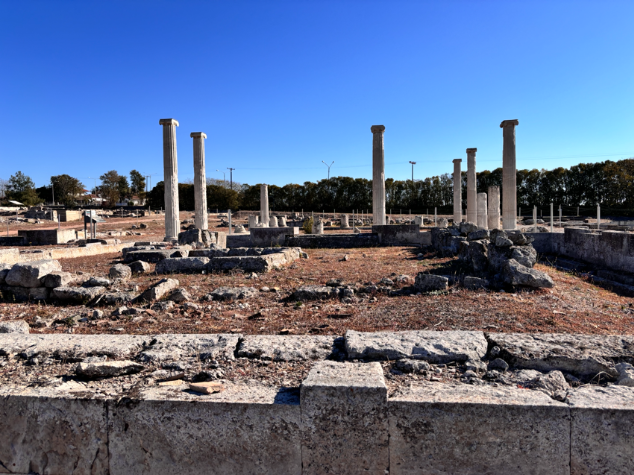
I have met the kind, welcoming people of modern Macedonia and Achaia. I have hiked, ridden buses, and trains around the countries of Greece, North Macedonia, and Albania. It is rare to find a Gospel-preaching church of any kind. The cities where Paul and his collaborators preached need someone to go. Some of these cities, such as Corinth and Philippi, are books in your Bible, yet they have few preachers. Will you make that need a matter of prayer? Pray that God will again do the work that He did back in Acts.
“Yea, so have I strived to preach the gospel, not where Christ was named, lest I should build upon another man’s foundation: But as it is written, To whom he was not spoken of, they shall see: and they that have not heard shall understand.” (Romans 15:20-21)
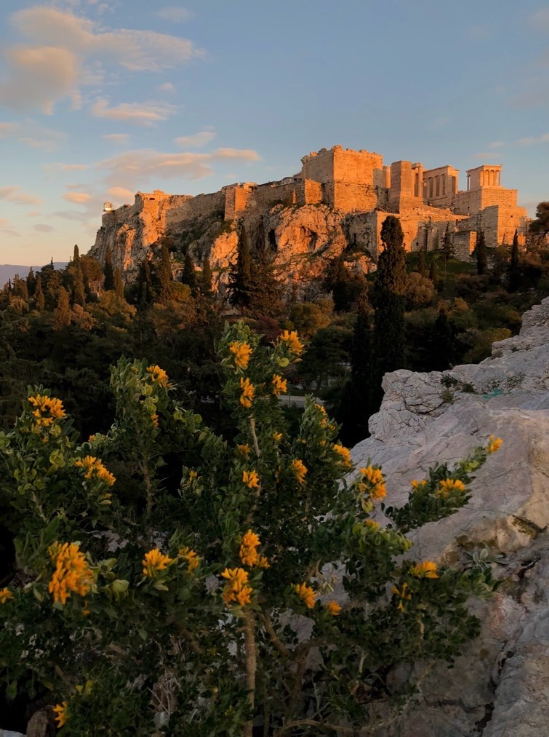
The Acropolis of Athens viewed from Mars’ Hill, where Paul preached. Today, Athens and many other biblical cities need preachers to follow in Paul’s footsteps to go and share the Gospel. Photo by John Buckner
Related Resource: Study Philippians
Discover more from Enjoying the Journey
Subscribe to get the latest posts sent to your email.