The Stoning of Stephen
“And cast him out of the city, and stoned him: and the witnesses laid down their clothes at a young man’s feet, whose name was Saul. And they stoned Stephen, calling upon God, and saying, Lord Jesus, receive my spirit. And he kneeled down, and cried with a loud voice, Lord, lay not this sin to their charge. And when he had said this, he fell asleep.” – Acts 7:58-60
The book of Acts tells us, “and Stephen full of faith and power, did great wonders and miracles among the people” (Acts 6:8). He was a mighty man of God who stirred animosity in the city of Jerusalem. When he was brought before the authorities at the end of chapter 6, the Bible foreshadowed what was to come. The onlookers saw his face as if it were an angel. The man Stefanos, whose Greek name means “crown,” was martyred for proclaiming that Jesus was the Just One (7:52) sent from God. Just like Jesus, he faced death because of lying witnesses.
Outside of the old city of Jerusalem’s appropriately named Saint Stephen’s Gate, also known as the Lion’s Gate, is the traditional place where Stephen’s death is remembered. It is on the grounds of a monastery which is dedicated to Stephen’s memory. The monastery is in the Kidron Valley, just a few steps away from the Garden of Gethsemane, and with breathtaking views up to the Temple Mount.
You can go down a flight of stairs and stand on the spot where it is believed that the great man looked to Heaven and uttered his last prayer. His last prayer was not of vengeance or retribution. Instead, he echoed his Savior and asked that God not lay the sin of murder to their charge.
Stephen: Finishing Well
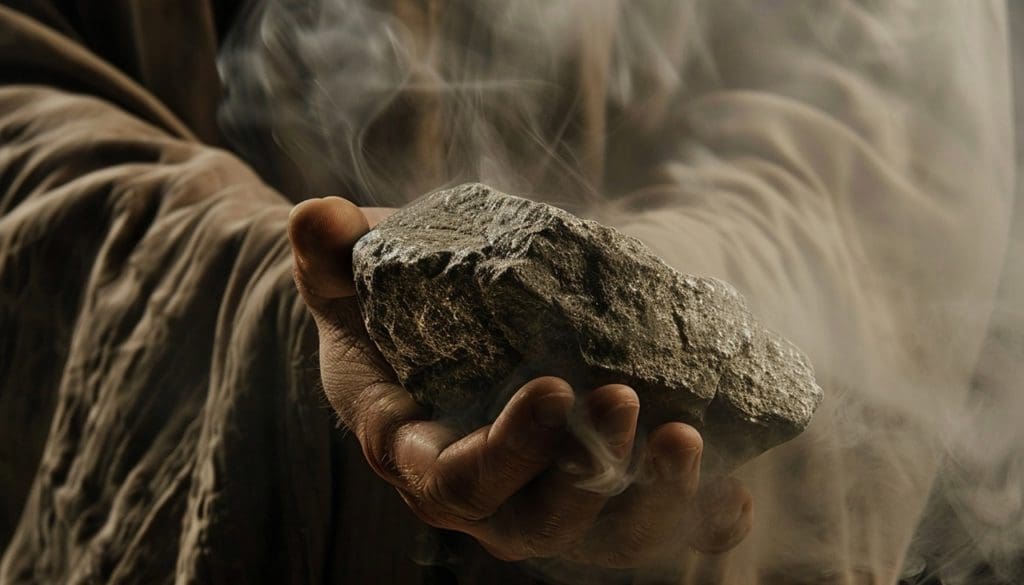
In ancient times, Jewish law required that stoning take place on a cliff that was at least twice the height of a normal person. The condemned man would be stripped and pushed backwards off of the cliff. If the fall did not kill him, then a large, specially prepared stone with handles would be held over him by two witnesses and dropped onto his chest. If that still did not kill him, then onlookers would throw more stones at him from the cliff until he died. As horrible as Stephen’s death must have been, he took his last few moments to pray for mercy for his killers. We know that God heard and answered his prayer. One of those who participated in his death was a young firebrand named Saul, who was later converted to Christ and became the apostle to the Gentiles.
It is a somber thing to stand in the quiet of the Kidron Valley, a short walk from the crowds of Jerusalem, and meditate on the faithful life and death of Stephen, of Stefanos. He certainly earned his stefanos, his crown. Christian, we do not know what the future holds for us. Are you ready to accept death as a martyr? If God ordains such a death for you, will you be able to take your last few seconds of life and pray for your murderers? Will you be ready to intervene before God on their behalf?
“Be thou faithful unto death, and I will give thee a crown (a stefanos!) of life.” Revelation 2:10c
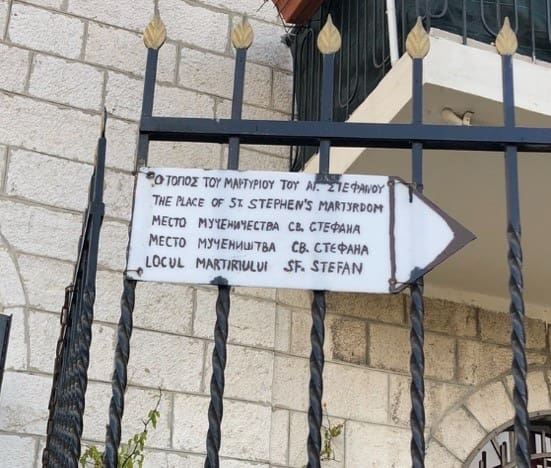
A small handmade sign in various languages on the gate is all that tells passersby what happened in this spot. Whether or not this is the precise spot is unknown.
However, it does have the merit of fitting closely with what Scripture tells us.
Photo by John Buckner
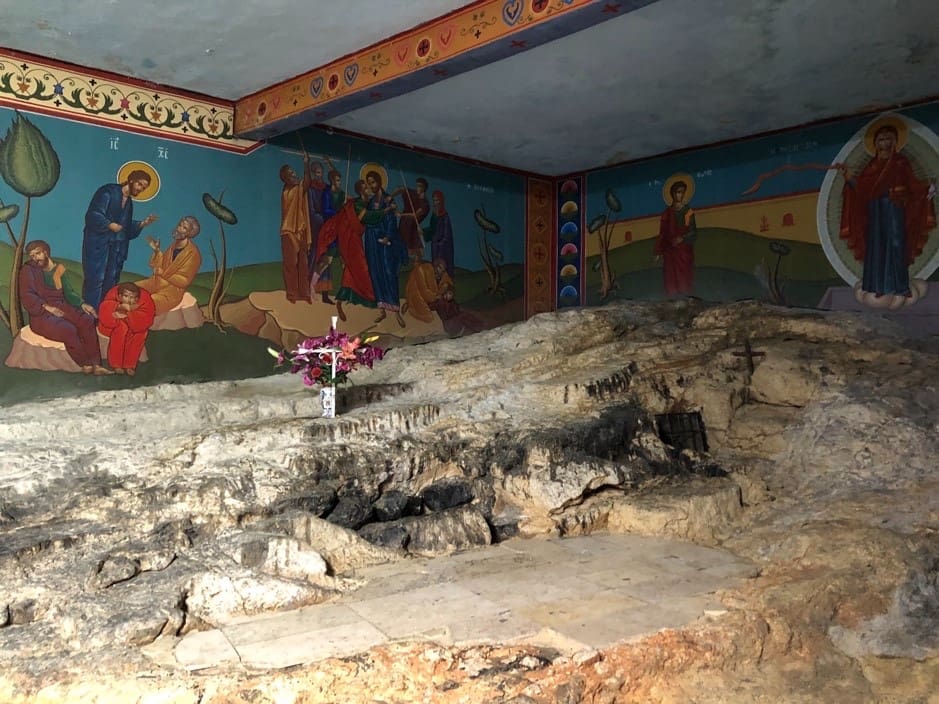
The rocky outcrop where Stephen was believed to have been stoned. Being outside of Jerusalem, yet close to it, matches Scripture. We know from history that Jewish law mandated using a cliff for stoning.
Photo by John Buckner
Related Resource:

Join Scott Pauley for a verse-by-verse study of Acts 1-7
Discover more from Enjoying the Journey
Subscribe to get the latest posts sent to your email.